
Published: · Updated:
Cajun shrimp scampi takes the classic garlic, butter, white wine and lemon sauce and adds a Cajun-seasoned crust to the shrimp, so every bite carries a little smoky heat. Tossed with linguine, it is ready in about 30 minutes and serves four as a weeknight dinner that feels like a restaurant plate.
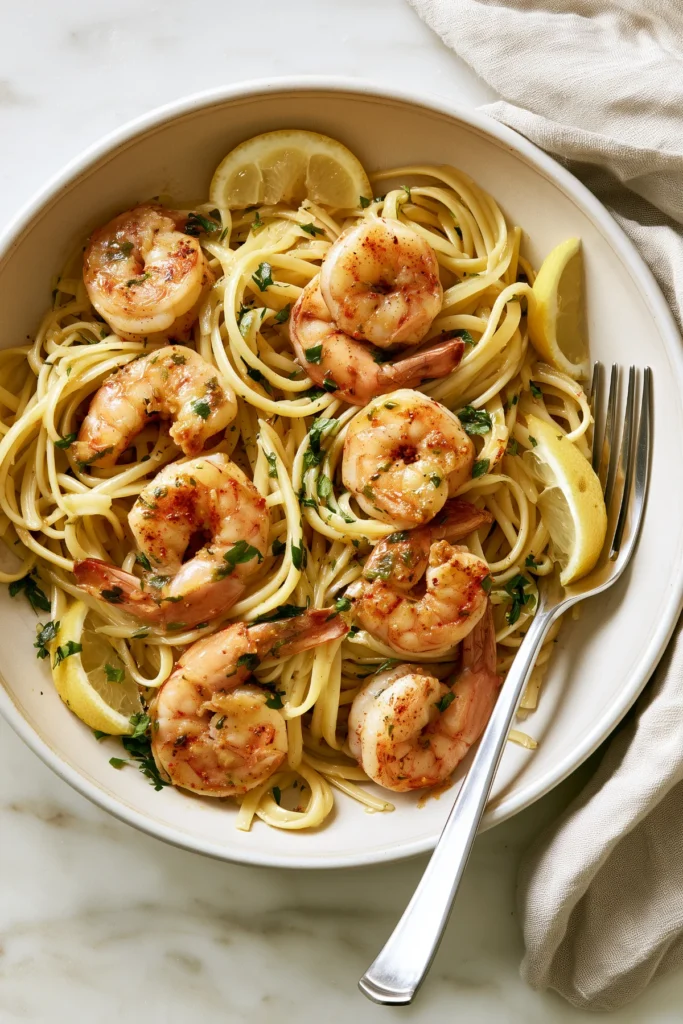
Two Ways Scampi Goes Wrong
Shrimp scampi is short on ingredients, which means there is nowhere for a mistake to hide. Almost every disappointing version comes down to one of two problems, and both are easy to avoid once you know to look for them.
The first is rubbery shrimp. Shrimp cook in a couple of minutes, and they keep cooking in the hot sauce after they leave the heat. This recipe sears them first, takes them out of the pan while the sauce reduces, and only returns them at the very end, so they spend as little time over the heat as possible.
The second is a thin, watery sauce that slides off the pasta and pools at the bottom of the bowl. The fix is to let the wine reduce properly before the butter goes in, and to keep a little of the starchy pasta water on hand. A splash of it helps the butter and wine cling to the noodles instead of separating.
What You Need
For the shrimp
- 1 lb (450 g) large shrimp, peeled and deveined, patted dry
- 1 tablespoon Cajun seasoning – use a salt-free blend if you want to control the salt
- 2 tablespoons olive oil
For the sauce and pasta
- 8 oz (225 g) linguine or spaghetti
- 4 tablespoons unsalted butter, divided
- 4 cloves garlic, minced
- ¼ teaspoon red pepper flakes – optional, for more heat
- ¾ cup dry white wine or chicken broth
- 2 tablespoons lemon juice (about half a lemon), plus wedges to serve
- ½ cup reserved pasta water
- 3 tablespoons chopped fresh parsley
- Salt and black pepper, to taste
The liquid you choose changes the character of the sauce more than anything else in the list.
| Liquid | What it brings | Good to know |
|---|---|---|
| Dry white wine | Acidity and a sharper, classic scampi flavor | Let it reduce by about half before adding butter |
| Chicken broth | A rounder, savory sauce with no alcohol | Taste before salting; broth and Cajun seasoning are both salty |
| Half wine, half broth | Some brightness with a milder edge | Use the same total amount, ¾ cup |
Cooking It
1. Start the pasta
Bring a large pot of salted water to a boil and cook the linguine until al dente, following the package time. Before draining, scoop out about ½ cup of the cooking water and set it aside. The pasta should still have a slight bite in the center.
2. Season and sear the shrimp – 1 to 2 minutes per side
While the pasta cooks, toss the dry shrimp with the Cajun seasoning. Heat the olive oil in a large skillet over medium-high heat and lay the shrimp in a single layer. Cook for 1 to 2 minutes per side, then move them to a plate. They should be pink on the outside and just turning opaque, curled into a loose C.
3. Cook the garlic – 1 minute
Lower the heat to medium. Add 2 tablespoons of the butter, the garlic and the red pepper flakes to the same pan, scraping up the browned spice. The garlic should smell fragrant and look pale gold, never brown.
4. Reduce the wine – 3 to 5 minutes
Pour in the wine or broth and the lemon juice. Simmer until the liquid has reduced by about half. The bubbles should look smaller and the sauce slightly syrupy at the edges.
5. Finish the sauce
Stir in the remaining 2 tablespoons of butter and a splash of pasta water until the sauce looks glossy. Season with salt and pepper. The sauce should coat the back of a spoon rather than run off it.
6. Toss everything together
Add the drained linguine and the shrimp with any juices from the plate. Toss for about a minute, adding more pasta water if it looks dry, then scatter with parsley. Every strand should look shiny, with no puddle of sauce left in the pan.
When the Shrimp Are Done
Shrimp tell you when they are ready. Raw shrimp are grey and translucent; cooked shrimp turn pink on the outside and opaque all the way through. The University of Maine Cooperative Extension describes cooked shrimp as pearly, white and opaque, which is the same test.
Shape is the other clue: shrimp curl as they cook, and a loose C shape means they are ready. Overcooked shrimp turn firm and chewy, and because these finish warming in the sauce, it is better to pull them a few seconds early than late.
What Makes the Difference
- Dry shrimp sear; wet shrimp steam. Pat them dry with paper towels before seasoning so the spice sticks and the outside colors.
- One layer in the pan. If the skillet is crowded, sear the shrimp in two batches.
- Taste before adding salt. Many Cajun blends are already salty, and the sauce reduces, which concentrates it.
- Keep the pasta water. It is the simplest way to loosen the sauce at the end without thinning the flavor.
Make It Your Own
- Creamier: stir a few tablespoons of heavy cream and some grated Parmesan into the finished sauce.
- With sausage: for a heartier Cajun pasta, try this Cajun shrimp and sausage alfredo.
- Add vegetables: asparagus pieces work well; this shrimp scampi pasta with asparagus shows how.
- Classic, no spice: leave out the Cajun seasoning for a traditional garlic butter shrimp scampi.
- Without pasta: spoon the shrimp and sauce over rice, or serve it with crusty bread.
Leftovers
Cooked shrimp keep 3 to 4 days in an airtight container in the refrigerator. Reheat gently in a skillet over low heat with a splash of water or broth, just until warm, so the shrimp do not toughen.
On the Side
Crusty bread is the obvious partner, because the sauce is worth mopping up. A crisp green salad balances the butter; this autumn Caesar salad with delicata squash croutons works well in cooler months. For a seafood night, add a plate of crispy coconut shrimp as a starter.
Your Questions
Can I use frozen shrimp?
Yes. Thaw them in the refrigerator or in a bowl of cold water, then pat them very dry. Wet shrimp steam in the pan instead of searing.
Can I make shrimp scampi without wine?
Yes. Use the same amount of chicken broth. The sauce will be milder and slightly less tangy, so you may want an extra squeeze of lemon at the end.
How spicy is Cajun shrimp scampi?
With a tablespoon of a typical Cajun blend, it has a gentle warmth rather than real heat. Add the red pepper flakes, or more seasoning, if you like it spicier.
What is the difference between scampi and garlic shrimp?
Scampi usually means shrimp in a garlic, butter, white wine and lemon sauce, often served over pasta. Garlic shrimp is a broader name and may skip the wine and lemon entirely.
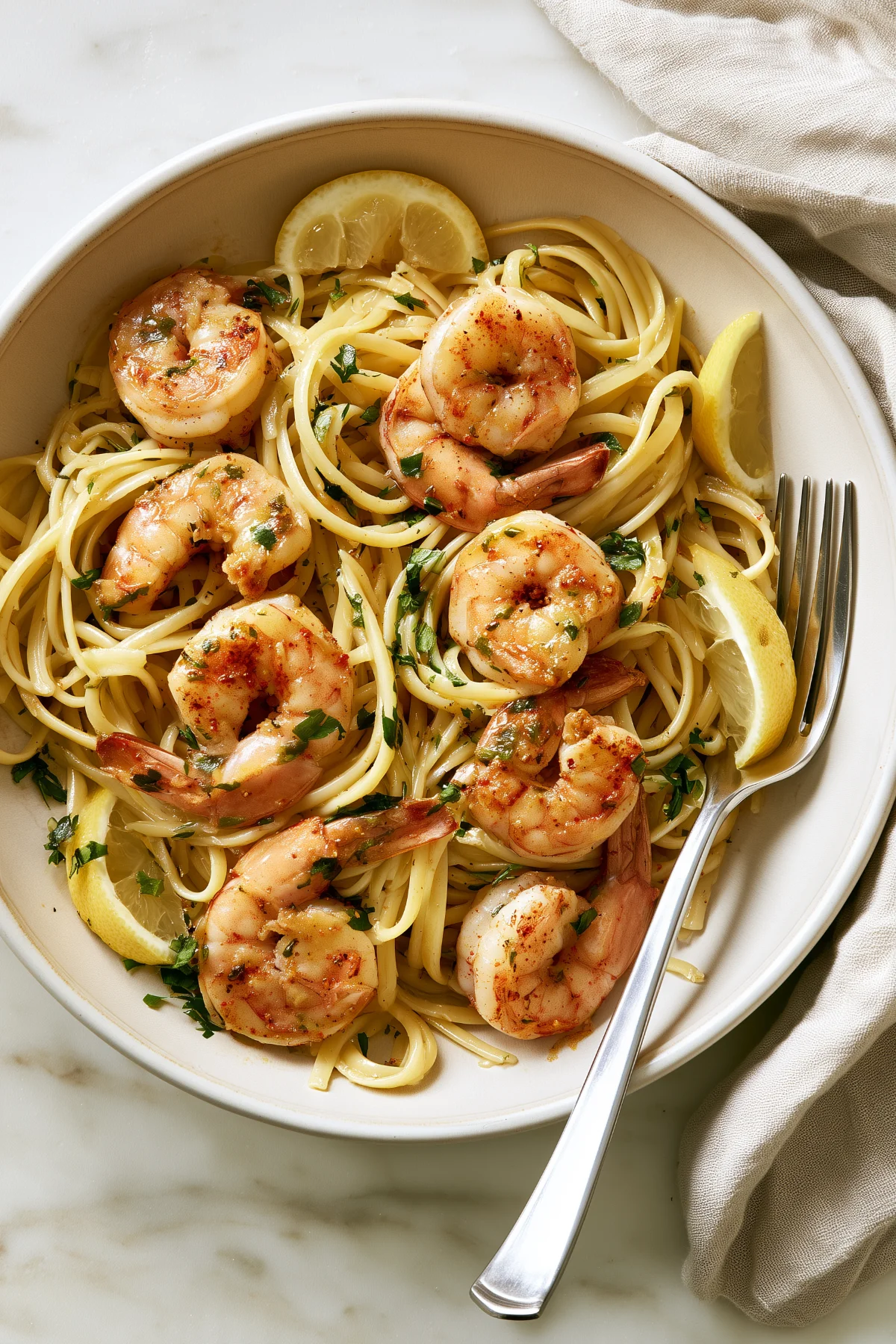
Cajun Shrimp Scampi
Ingredients
Equipment
Method
- Cook the linguine in salted boiling water until al dente. Reserve 1/2 cup of the pasta water, then drain.
- Toss the dry shrimp with the Cajun seasoning. Heat the olive oil in a large skillet over medium-high heat and sear the shrimp in one layer for 1 to 2 minutes per side, until pink and just opaque. Transfer to a plate.
- Lower the heat to medium. Add 2 tablespoons butter, the garlic and red pepper flakes and cook about 1 minute, until fragrant.
- Add the wine (or broth) and lemon juice and simmer 3 to 5 minutes, until reduced by about half.
- Stir in the remaining 2 tablespoons butter and a splash of pasta water until glossy. Season with salt and pepper.
- Add the linguine and shrimp with their juices and toss for about 1 minute, loosening with more pasta water if needed. Sprinkle with parsley and serve with lemon wedges.
Leave a Reply