
Published:
Gluten-Free Pita Bread
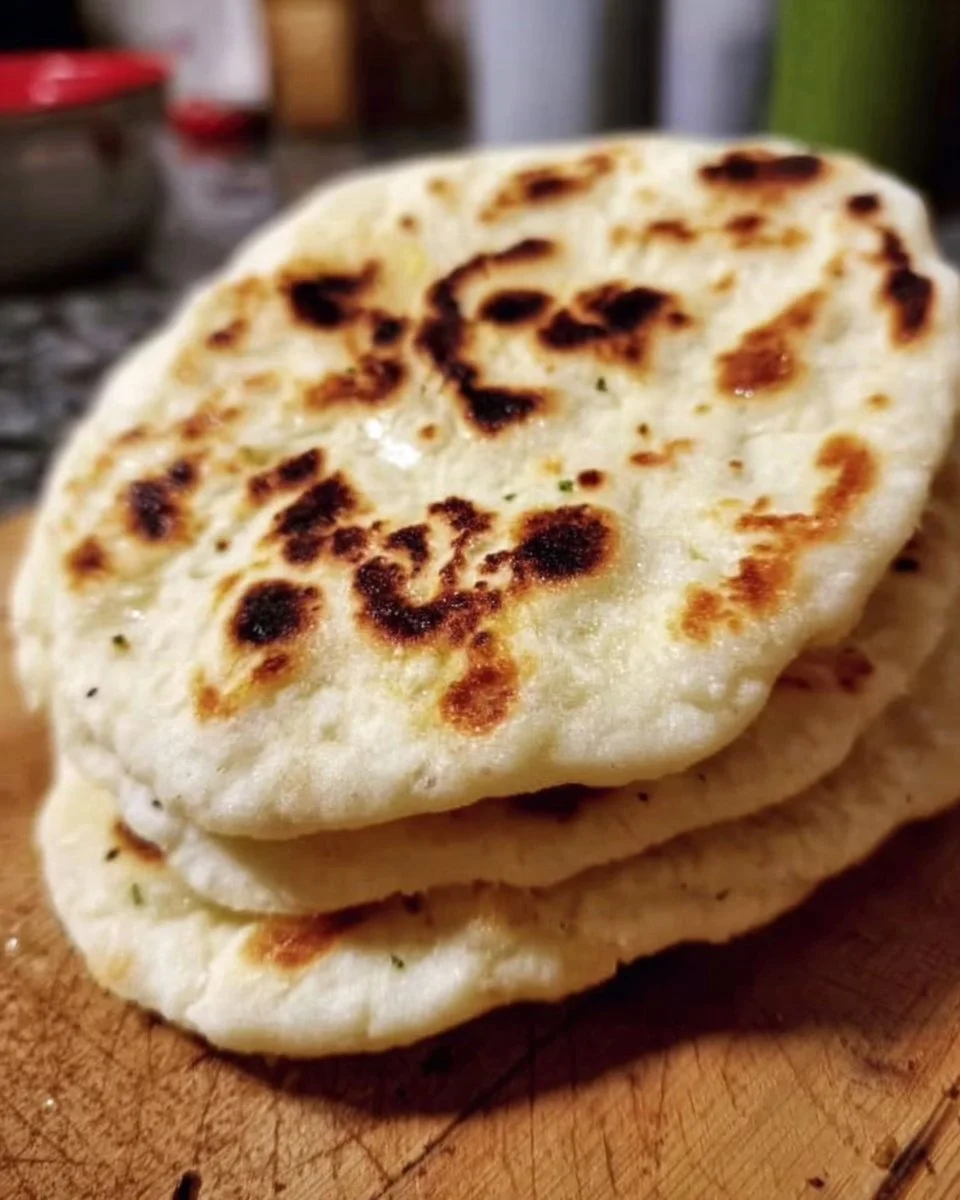
There’s nothing quite like the feeling of tearing into a warm, fluffy pita bread, the soft texture juxtaposed with a subtle crispness that promises a delightful bite every time. Imagine gathering around the table with family, dipping that freshly made pita into seasoned hummus or stuffing it with vibrant veggies, savory meats, or a delightful medley of both. Not only does it evoke warm memories of shared meals, but it also introduces a fun, interactive dining experience. Despite its simplicity, this gluten-free pita bread stands out. You’ll find it is a wonderful alternative to the traditional pita, similar to the whole wheat flatbreads you might find on other popular food blogs but tailored to meet gluten-free needs.
What Makes Gluten-Free Pita Bread What It Is
Let’s take a moment to ponder: where on earth did the name “pita” come from? Is it named after a charming Middle Eastern merchant, or does it have a more whimsical background? It makes you wonder! Pita bread, with its delightful pocket perfect for stuffing, has traveled the world and seems to have become a family favorite. But don’t just take my word for it—get your hands floury and experience the joy yourself!
Why This Gluten-Free Pita Bread Works
This gluten-free pita bread is a highlight for any main dish—it can be the canvas for your culinary creations. Imagine using it to make a wrap filled with roasted chicken, a salad, or a plant-based delight. Not only is it a hit for family gatherings, but making it at home also saves you a pretty penny compared to store-bought gluten-free alternatives. Plus, the versatility of toppings means you can stick to flavorful favorites like creamy hummus, zesty tzatziki, or even a dollop of pesto. If you’ve enjoyed a traditional flatbread from a popular food blog, you’ll love this gluten-free twist even more.
Putting Gluten-Free Pita Bread Together
First, the Basics
Making gluten-free pita bread is a delightful and straightforward process that you can accomplish in roughly 30 minutes from start to finish. The result is a warm, fluffy bread with a satisfying chew—perfect for pairing with all your favorite dishes.
Ingredients for Gluten-Free Pita Bread
- 2 cups gluten-free all-purpose flour
- 1 teaspoon salt
- 1 teaspoon sugar
- 1 teaspoon baking powder
- 1 cup warm water
- 2 tablespoons olive oil
- 1 teaspoon active dry yeast
Note: Ensure your gluten-free flour blend includes xanthan gum for the best texture.
The Method
- Activate the Yeast: In a bowl, combine warm water and sugar. Sprinkle the active dry yeast over the water and let it sit for about 5-10 minutes until it becomes foamy.
- Mix the Dry Ingredients: In a separate large mixing bowl, whisk together the gluten-free flour, salt, and baking powder until well combined.
- Combine Mixtures: Once the yeast has activated, add the olive oil and foamy yeast mixture into the dry ingredients. Stir them together until you form a smooth, slightly sticky dough.
- Rest the Dough: Cover the bowl with a damp cloth and let the dough rest for about 15 minutes. This allows the yeast to work its magic.
- Shape the Pita: Preheat your oven to 475°F (245°C) or use a pizza stone if available. Divide the dough into small balls (about the size of a golf ball). Roll each ball into a flat disk, about ¼ inch thick.
- Bake the Pita: Place the disks on a baking sheet lined with parchment paper or directly onto the pizza stone. Bake for 5-7 minutes or until they puff up and turn lightly golden.
- Cool and Store: Remove the pita from the oven and let them cool slightly before serving. Enjoy warm or store for later!
What Helps Gluten-Free Pita Bread Turn Out Well
- Substitutions: If you’re out of gluten-free flour, try chickpea flour for an even nuttier flavor.
- Rising Time: Don’t skip letting the dough rest—this creates a lovely texture and helps with the bread’s puffiness.
- Avoiding Mistakes: Ensure your ingredients are fresh, especially the yeast, as expired yeast won’t activate properly.
Keeping It for Later
Store your leftover gluten-free pita bread in an airtight container at room temperature for up to 3 days. For longer storage, freeze the pita bread, separated by sheets of parchment paper, for up to 2 months. When ready to enjoy, simply reheat on a baking sheet in a 350°F (175°C) oven for 5-7 minutes or until warmed through, restoring its soft, delightful texture.
Frequently Asked Questions
Can I make this pita bread in advance?
Absolutely! You can prepare the dough in advance and refrigerate it for a day or two. Just remember to let it come to room temperature and rest before baking.
What toppings work well with gluten-free pita?
You can load up your pita with grilled veggies, falafel, salads, or any protein of your choice! The flavor combinations are endless.
Is gluten-free pita bread suitable for freezing?
Yes, it’s great for freezing! Just make sure they’re well wrapped to prevent freezer burn.
By creating your gluten-free pita bread, you tap into an enjoyable experience full of flavor, nutrition, and love that only home cooking can provide. Ready to get started?
Gluten-Free Pita Bread
Ingredients
Method
- In a bowl, combine warm water and sugar. Sprinkle the active dry yeast over the water and let it sit for about 5-10 minutes until it becomes foamy.
- In a separate large mixing bowl, whisk together the gluten-free flour, salt, and baking powder until well combined.
- Once the yeast has activated, add the olive oil and foamy yeast mixture into the dry ingredients. Stir them together until you form a smooth, slightly sticky dough.
- Cover the bowl with a damp cloth and let the dough rest for about 15 minutes.
- Preheat your oven to 475°F (245°C) or use a pizza stone if available.
- Divide the dough into small balls (about the size of a golf ball). Roll each ball into a flat disk, about ¼ inch thick.
- Place the disks on a baking sheet lined with parchment paper or directly onto the pizza stone. Bake for 5-7 minutes or until they puff up and turn lightly golden.
- Remove the pita from the oven and let them cool slightly before serving.
Leave a Reply